Understanding Shoulder Subluxation: Symptoms、Causes and Treatment
In daily life, shoulder subluxation may not be as well known as common colds and fevers, but it may cause considerable trouble to patients. Today, let us take a deeper look at the disease of shoulder subluxation.
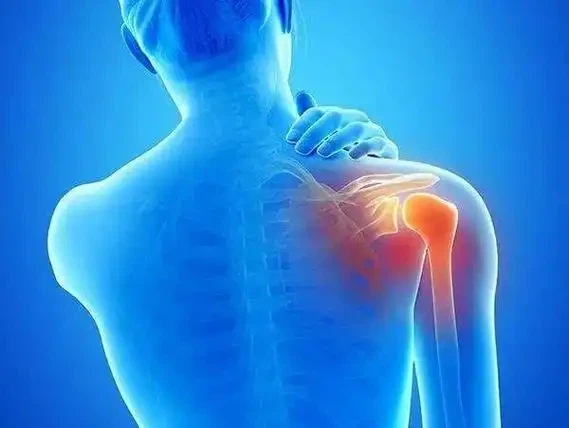
Shoulder subluxation, in simple terms, is a partial dislocation of the shoulder joint. Under normal circumstances, the bones, muscles, ligaments and other shoulder tissues work together to maintain the stability and normal function of the joint. Once this balance is broken, subluxation may occur.
So, what causes shoulder subluxation? Common factors include trauma, such as severe collisions or falls; damage to the nervous system; long-term poor posture or overuse of the shoulder, which gradually loosens the muscles and ligaments of the shoulder.
Symptoms of a shoulder subluxation are more obvious. Patients may experience shoulder pain, especially when they move. The shoulder's range of motion is limited, making it difficult to raise the hand or stretch. In appearance, the shoulder may be noticeably deformed and look different from a normal shoulder.
To diagnose a shoulder subluxation, your doctor will usually perform a detailed physical examination, including observing the appearance of the shoulder, measuring the range of motion of the joint, and possibly using imaging tests such as X-rays and magnetic resonance imaging(MRI)to determine the extent and specific circumstances of the dislocation.
Once a shoulder subluxation is diagnosed, treatment should be tailored to the individual. For mild subluxations, conservative treatment is the first choice. This may include physical therapy, specific exercise training to strengthen the muscles around the shoulder and improve joint stability; wearing a suitable brace or sling to provide support and protection for the shoulder. Severe subluxations may require surgery to repair damaged tissue.
During the rehabilitation process, the patient's active cooperation is crucial. They should follow relevant recommendations, adhere to rehabilitation training, and focus on rest and protecting their shoulders. Although shoulder subluxation is not terminal, it must be taken seriously. Only with early detection, timely treatment, and patient rehabilitation can health be restored.