What Causes Foot Drop? What are the Treatments?
What causes foot drop? What are the treatments?
Foot drop affects millions of people around the world. It makes walking harder and can lower a person's quality of life. Problems with movement, like foot drop, can be frustrating and tiring. People with foot drop are also more likely to fall and get hurt. But living with foot drop doesn't have to be difficult. There are many helpful treatments today that can improve walking and increase balance. These include physical therapy, electrical stimulation, and modern lightweight support devices like the SYREBO Foot Drop Brace. In this post, we'll talk about what causes foot drop, how to recover, and what treatments are available.
Foot Drop Definition: What Is Foot Drop and What Causes It?
Foot drop is a condition where a person has trouble lifting the front part of the foot toward the shin. This happens because the muscles that help with this movement are weak or not working at all. Foot drop is also called drop foot or "floppy foot" because the foot may look limp. It can be caused by many different health problems. Most of the time, only one foot is affected, but sometimes both feet can be involved.
A common cause of foot drop is stroke. About one in five people who have a stroke will have foot drop. A stroke happens when part of the brain doesn't get enough oxygen, which damages brain cells. This can lead to loss of movement or control in certain parts of the body. Whether foot drop is short-term or long-term depends on where and how serious the stroke was.
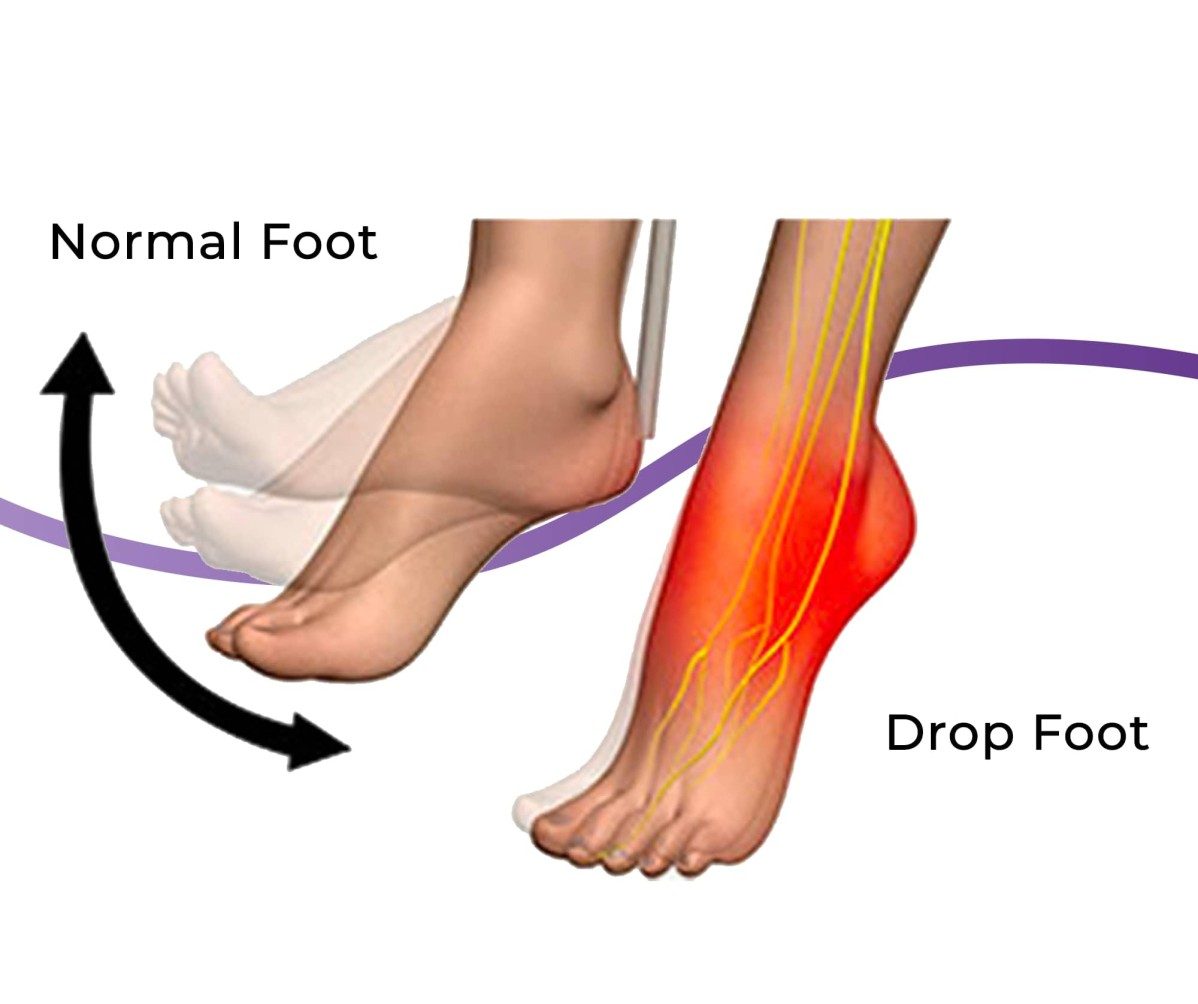
Other causes of foot drop include damage or pressure on the peroneal nerve, which controls the muscles that lift the foot. Diseases that affect the muscles or nerves, like muscular dystrophy or ALS, can also lead to foot drop. Other nerve-related conditions such as multiple sclerosis, Charcot-Marie-Tooth disease, and cerebral palsy may also cause it. No matter the cause, foot drop shows similar signs.
The main symptom of foot drop is trouble lifting the front part of the foot. This can make walking difficult. Some people notice their foot slaps the ground when they walk. Others feel their foot dragging. Because of this, people with foot drop may walk with a limp or have trouble keeping their balance. To avoid dragging their foot, many people start walking with a high-stepping motion. This is called a steppage gait. While this helps prevent tripping, it can tire out the muscles over time. Some people also notice their toes curling or getting calluses. Luckily, there are many treatments that can help improve walking and reduce these problems.
Foot Drop Treatment: Can Drop Foot Be Corrected?
Today, there are many ways to treat foot drop. These include physical therapy, support devices, and electrical stimulation. In some cases, surgery may be needed.
Physical Therapy Exercise
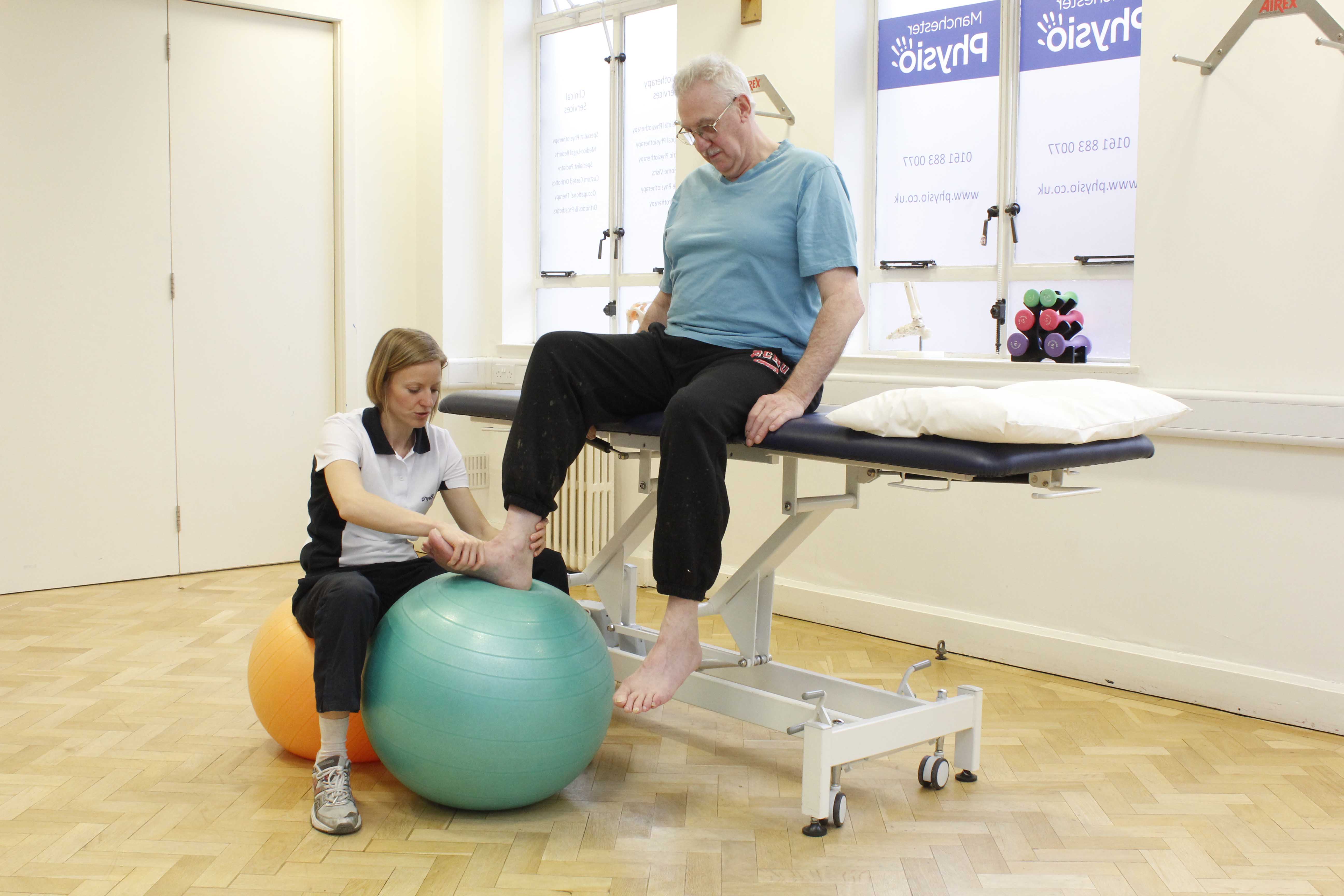
Physical therapy is one of the most common treatments for foot drop. It includes exercises that strengthen the muscles in the foot, ankle, and lower leg. These exercises help improve balance and reduce the need for awkward walking patterns. Over time, they can help people walk more normally. Many exercises use just body weight, but bands or weights can be added for more strength training. A physical therapist will show the right way to do each exercise. Later, people can do these exercises at home. Physical therapy is often used together with other treatments.
Electrical Stimulation
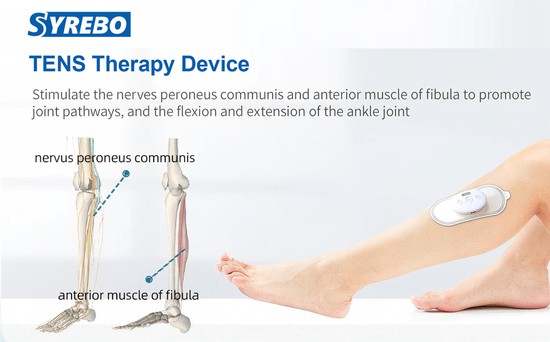
Electrical stimulation is another helpful treatment. It uses small electrical signals to make the muscles in the foot move. A device sends these signals through pads placed on the skin. This helps the muscles work better and may improve strength and movement over time. Studies show that this kind of treatment, especially when used on the peroneal nerve, can help people with foot drop move more easily.
Drop Foot Braces
There are many types of foot drop braces. These devices help lift the front of the foot and make walking easier. The SYREBO Foot Drop Brace can be a good option. It is light, comfortable, and fits most shoes, even those without laces. It helps lift the foot and reduces dragging. The brace is easy to put on and take off, and it has a simple twist system to adjust the tightness. It's made of thin, breathable material, so it feels almost invisible. It can be worn at home or outside, with or without shoes.


Living with Foot Drop: Can It Get Better?
Living with foot drop can be hard, but there are ways to make daily life easier and safer. Keeping the home free of clutter, cords, and loose rugs can help prevent falls. Adding grab bars in the bathroom and using a shower chair can also help. Good lighting, especially on stairs, can make a big difference. Foot drop may be temporary or permanent, depending on the cause. But with the right treatment plan and support devices, many people can walk better and feel more stable. At SYREBO, we are committed to helping people recover from foot drop. Our products, like the SYREBO Foot Drop Brace, are designed to support your recovery and improve your daily life. Take the first step toward better movement with SYREBO.